

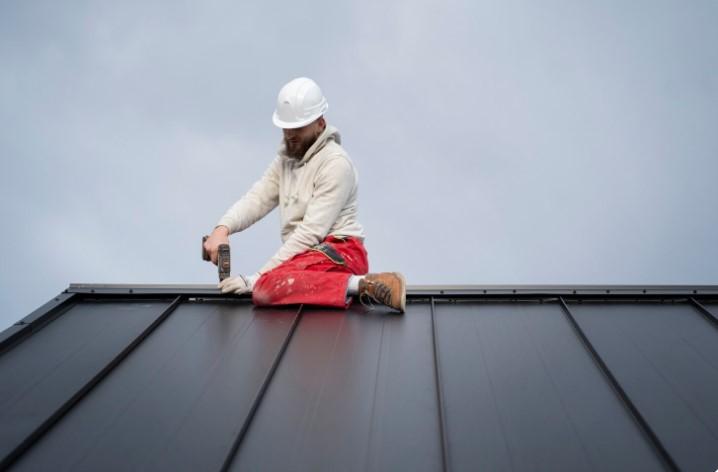
Insulation is vital for your home, and for more reasons than most homeowners are ready to acknowledge. For example, better insulation can benefit both your roof and your gutters, and if you’ve ever dealt with ice dams in the winter, premature roof deterioration, or overflow in your gutters, inadequate insulation could have been the root cause.
But how is this the case? And how should you approach insulation in your home?
How Insulation Affects Your Roof’s Lifespan
Your roof takes a beating year-round, which is one reason why regular roof inspections are so important. It absorbs heat in the summer, sheds rain and snow, and bears the brunt of harsh weather. While materials like shingles or tiles are your first line of defense, insulation directly beneath the roofline determines how your home responds to these conditions.
When your attic or upper crawlspace is properly insulated, it keeps indoor heat from escaping through the roof in winter. This is impactful because a warm roof can melt snow too quickly, causing water to refreeze at the eaves and form ice dams; these dams trap water and force it under shingles, leading to leaks, rot, and even interior damage.
In the summer, insulation helps prevent the roof from radiating heat down into your home. Without this barrier, your HVAC system has to work harder to keep temperatures stable, and roofing materials can age faster due to excess heat buildup from both sides.
In short, insulation supports thermal consistency – and your roof’s condition depends on it.
The Relationship Between Insulation and Gutters
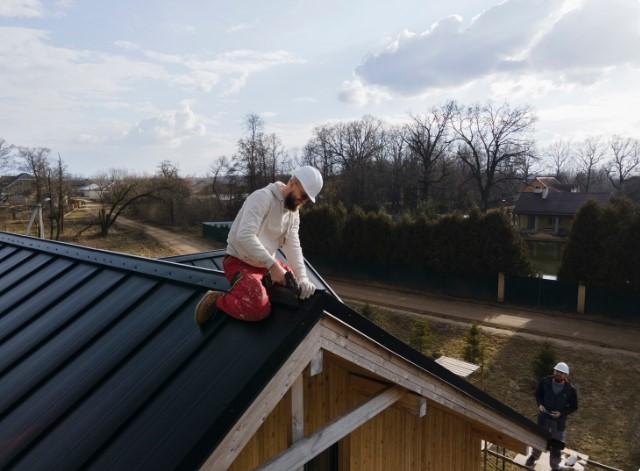
It might not be obvious at first, but gutters are directly affected by the temperature of your roof. When your attic insulation is inadequate, warm air rises and heats the underside of your roof during cold months. This uneven heating causes snow to melt and run down the roof, refreezing when it reaches the cold metal of your gutters. That cycle builds up ice along the roof edge, and sometimes several inches thick.
This process doesn’t just affect drainage. Ice buildup in your gutters can lead to bending, detachment from the fascia, or cracks in the metal itself. It can also block water from draining properly, which sends it spilling over the sides or backing up onto the roof. Either way, your home’s exterior suffers. With proper insulation and attic ventilation, you’re far less likely to experience this kind of thermal imbalance, which keeps your gutters clear, effective, and protected.
Energy Efficiency Starts With a Solid Barrier
Insulation also impacts your home’s overall energy footprint. Roofs are responsible for a significant portion of energy loss in homes that are under-insulated. Hot air rises, and in winter, it escapes rapidly if there’s no thermal barrier. In the summer, that same roof traps heat, and without sufficient insulation, much of that heat transfers into the home.
By improving insulation along the roofline and ensuring it is evenly distributed, you help your heating and cooling systems work more efficiently. Over time, this translates into lower energy bills, more consistent indoor temperatures, and less wear and tear on your HVAC system. This matters for your budget as well as the long-term sustainability of your home.
Don’t Forget Ventilation!
Insulation and ventilation go hand in hand; even if your insulation is top-notch, poor ventilation in the attic can still lead to moisture problems and heat buildup. That extra moisture encourages mold growth and weakens the roof deck, while excessive heat can shorten the life of shingles. A well-designed system includes ridge vents, soffit vents, or attic fans that promote airflow. Together, insulation and ventilation work to create a balanced roof environment that reduces stress on your materials and your gutters.
Insulation Upgrades Can Prevent Expensive Repairs
Many insulation problems go unnoticed until they’ve already caused secondary damage. You might notice a ceiling stain and assume your roof is leaking, when the real culprit is condensation due to uneven attic temperatures. Similarly, water-damaged siding might be blamed on poor gutter design, when the issue actually started with heat loss that melted snow on the roof.
Upgrading insulation is often far less expensive than replacing a damaged roof or reconfiguring gutter systems. And when you catch the issue early, you can avoid those costly fixes altogether.
Knowing When to Take Action

If you’ve had problems with ice dams, moisture in your attic, or unusually high energy bills, it’s worth having your insulation assessed. An energy audit or attic inspection can help determine whether your home has enough insulation, whether it’s properly distributed, and whether there are any gaps allowing air to escape.
Most homes, especially older ones, benefit from adding or upgrading insulation over time. And when paired with the right ventilation strategy, you can create a roofing and gutter system that’s much better protected from the inside out.