

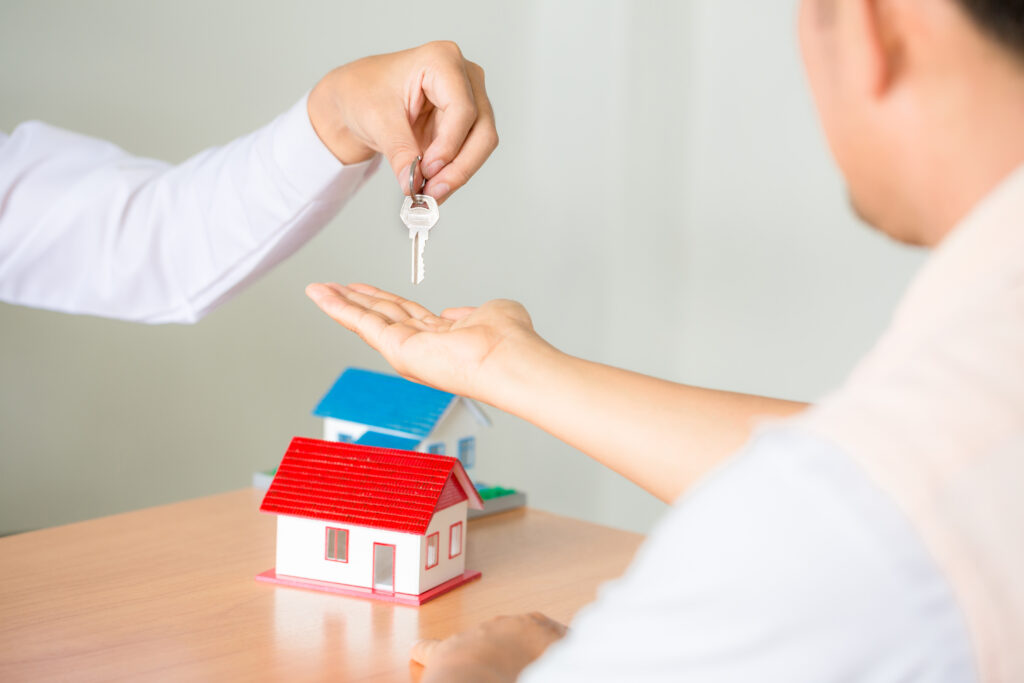
So you’ve been thinking about buying a second home. Maybe it’s a beach house you’ve always dreamed about. Or maybe it’s a property that can earn you income on the side. Either way, you want to be sure before you sign anything.
The good news? There are clear signs that tell you if you’re ready. No guessing needed.
First, Ask Yourself Why You Want It
Your reason matters more than you think. A second home bought for the wrong reasons can quickly become a financial burden.
Do you want a vacation spot for your family? A rental that earns passive income? A place to retire someday? Each goal comes with its own set of costs, responsibilities, and loan requirements. So before anything else, get clear on your “why.”
Check Your Finances Honestly
This is where most people skip the hard part. But your finances are the foundation of this decision.
Ask yourself these questions. Can you cover a 10% to 20% down payment without draining your savings? Do you have two to six months of cash reserves after the purchase? Is your credit score at least 640? These are real benchmarks lenders use.
Also think about your debt-to-income ratio. Most lenders want this below 45%. That means your monthly debt payments, including both mortgages, should not eat up more than 45% of your gross monthly income.
Every state property loans have their own rules and conditions, so try to learn about them before making a move. For example, if you’re eyeing California as your next move, understanding the specifics of a California Investment property mortgage loan can save you a lot of money and headaches. California properties come with unique market conditions, so getting the right loan structure from the start is important.
Your First Home Should Be Stable
Here is a simple rule. Your first home needs to be in good financial shape before you add a second one.
That means you’re not struggling with your current mortgage. It means you have solid equity built up. And it means your monthly budget has breathing room after all your existing bills are paid.
If you’re still figuring out your current home situation, now might not be the right time. But if things are smooth and steady, that’s a great green light.
Understand the Real Costs
People often think about the mortgage payment and stop there. But owning a second home costs more than that.
Think about property taxes. Think about homeowner’s insurance. Think about maintenance, repairs, and utilities for a home you may not visit every month. If you plan to rent it out, factor in vacancy periods when no income comes in.
The home buying process for a second property is similar to your first, but the financial bar is higher. Going in prepared means fewer surprises down the road.
A rough rule of thumb: budget about 1% of the home’s value annually for maintenance. So for a $400,000 home, that’s $4,000 a year just in upkeep. This is money you need to have, even if you don’t end up spending all of it.
Think About the Rental Income Question
Many buyers expect rental income to cover the mortgage. Sometimes it does. Often it doesn’t, at least not right away.
Short-term rental markets have cooled since their pandemic peaks. Occupancy rates are lower. Competition is higher. So if your plan depends entirely on Airbnb income to break even, you may want to rethink the numbers.
Instead, treat rental income as a bonus, not a lifeline. If the property can stand on its own financially, even with some vacancy, you’re in a much stronger position.
Are You Emotionally Ready?
This part gets overlooked a lot. A second home is also a second set of responsibilities. There will be repairs to manage. Tenants to deal with if you rent. Travel costs if the property is far away.
One honest look at what real owners go through can be eye-opening. The pros and cons of owning a vacation home show that while the rewards can be real, the trade-offs are just as real. Two mortgages, maintenance surprises, and lifestyle shifts all come with the territory.
If you’re someone who handles stress well and likes managing property, great. If the idea of a leaking roof on a home three states away sounds like a nightmare, factor that in.
Signs You’re Probably Ready
Here is a quick gut-check. You’re likely ready if:
- Your primary home is financially stable with solid equity
- You have a clear, realistic goal for the second property
- You can afford the down payment and reserves without financial strain
- Your credit score and debt-to-income ratio meet lender standards
- You’ve thought through both the best-case and worst-case scenarios
Signs You Should Wait
On the flip side, pump the brakes if:
- You’re counting on rental income to make the numbers work
- Your first mortgage is still a stretch some months
- Your emergency fund is thin
- You haven’t fully compared mortgage options and tax implications
The Bottom Line
Buying a second home is one of the most exciting financial moves you can make. But excitement alone isn’t enough. Readiness is built on honest numbers, stable finances, and a clear plan.
Take your time with the decision. Run the real numbers. And when the finances line up with your goals, you won’t need to guess. You’ll know.