

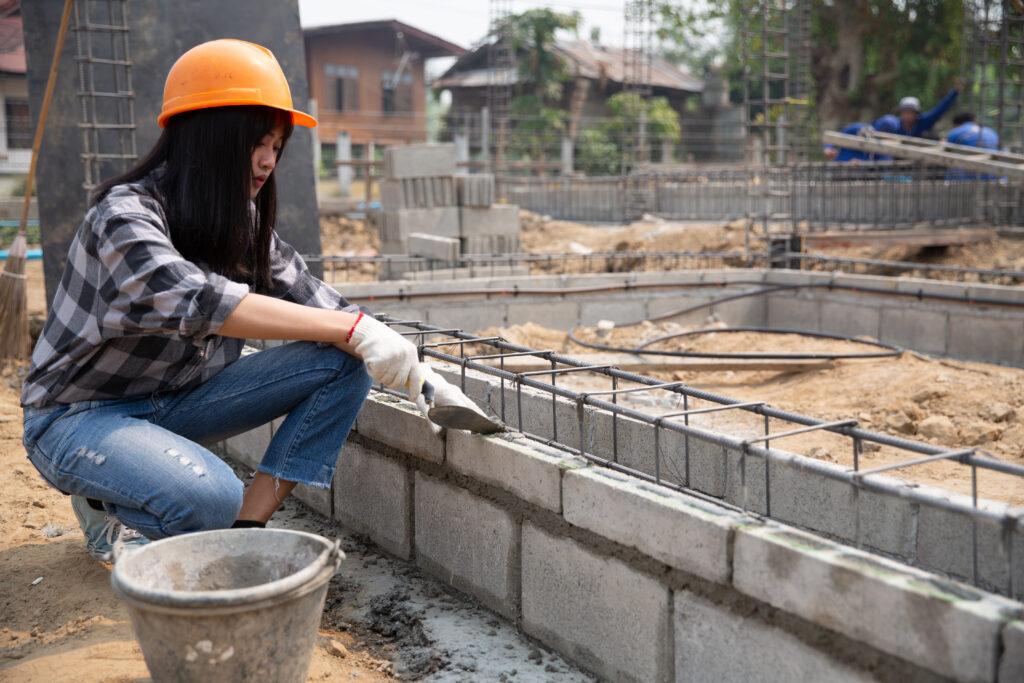
A home’s foundation carries responsibilities that extend far beyond supporting walls and floors. It determines whether doors close properly, whether floors remain level, and whether the entire structure maintains the integrity that keeps families safe and investments protected. When foundations develop problems, addressing them promptly preserves both the structural stability families depend on and the property values that represent significant financial assets.
Understanding Foundation Damage

Foundations fail for various reasons, many beyond homeowner control. Soil conditions shift as moisture levels change through seasons. Tree roots grow and displace surrounding earth. Poor original construction creates weaknesses that manifest years after building completion. Natural settling occurs as structures adjust to their sites over time.
The signs of foundation problems often appear gradually. Cracks emerge in walls and ceilings. Doors begin sticking in frames. Windows become difficult to open or close. Floors develop noticeable slopes. These symptoms typically worsen without intervention, as structural stresses that caused initial damage continue operating.
Ignoring these warning signs allows problems to compound. Small cracks become large ones. Minor settling progresses to significant structural displacement. Repairs that would have been straightforward early become complex and expensive as damage advances.
Structural Consequences of Neglect
Foundation problems affect entire structures, not just the concrete and masonry below ground. Homes function as integrated systems where stress in one area transfers throughout. A shifting foundation twists framing, cracks drywall, separates trim from walls, and damages finishes throughout every level.
Plumbing and electrical systems running through affected framing experience strain that can cause failures. Pipes may crack at joints stressed by structural movement. Wiring pulled by shifting framing creates potential hazards. HVAC ductwork separates at connections, reducing system efficiency and air quality.
In severe cases, structural failures can render homes unsafe for occupancy. Load-bearing walls compromised by foundation movement may no longer adequately support the loads above them. While catastrophic collapses remain rare, the path from early warning signs to serious safety concerns is well documented.
Property Value Implications
Foundation problems significantly impact property values, often by amounts far exceeding repair costs. Buyers approach homes with known foundation issues cautiously, and many avoid them entirely regardless of price reductions. Those willing to purchase typically demand discounts reflecting both repair costs and risk premiums.
Real estate transactions require disclosure of known foundation problems in most jurisdictions. This legal obligation means owners cannot simply avoid mentioning issues and hope buyers fail to notice. Inspection contingencies give buyers opportunities to discover problems even when sellers are unaware of them.
Properties with documented foundation repairs often fare better than those with unaddressed issues. Completed repairs, particularly those performed by reputable contractors with transferable warranties, reassure buyers that problems have been resolved professionally. Foundation specialists like Raising Solutions provide documentation and warranties that support property values by demonstrating that repairs meet professional standards.
Modern Repair Techniques
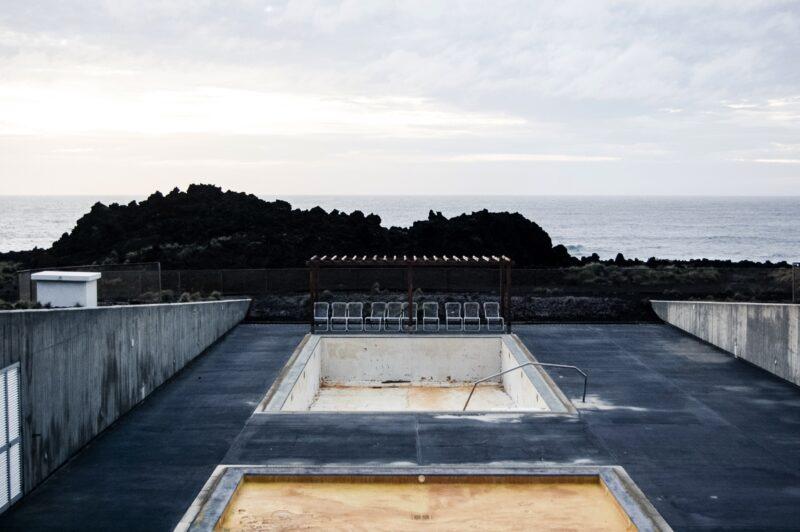
Foundation repair technology has advanced significantly, offering solutions for problems that once required extremely disruptive interventions. Helical piers and push piers can stabilize and even lift settled foundations without excavating entire perimeters. Polyurethane injection fills voids and stabilizes soil without the mess and delays of traditional mudjacking.
These modern approaches minimize disruption to landscaping, driveways, and daily life while achieving results that older methods often could not match. Repairs that once required weeks can sometimes be completed in days. Homeowners facing foundation problems today have options that were unavailable to previous generations.
Timing Matters
Foundation repair costs generally increase as problems progress. Early intervention addresses damage while it remains limited. Delayed repairs allow damage to spread, increasing both direct repair costs and the expenses of addressing secondary damage throughout the structure.
Homeowners who notice warning signs benefit from prompt professional evaluation. Even if immediate repair proves unnecessary, understanding foundation conditions allows informed decisions about monitoring and timing. Those who wait until problems become obvious often face larger bills and more extensive disruption than earlier action would have required.
Protecting What Matters Most
Homes shelter families and represent major financial commitments. Foundation integrity underlies both functions, keeping structures safe for occupancy while preserving the values that homeowners build equity in over years of ownership. Addressing foundation problems protects these fundamental interests, ensuring that homes continue serving families well while maintaining the value that represents so much of what owners have invested.