

One of the things about wall art that makes it so unique is that it’s able to elevate your home decor through adding the right levels of personality, depth, and charm to your theme. Seeing art on your wall dilemma maybe, but these few expert tips will transform your walls into a visual showstopper that showcases the best of your tastes and elevates the character of your home. To help make stunning walls that stand out and say something, here are ten tips.
- Start with a Theme
Once you’ve chosen a theme or mood for your space, then you can choose the wall art. However, themes can be in a spectrum that includes minimalist to eclectic, nature inspired to abstract, and so on. In order to ensure visual cohesion however, be sure to align your artwork with the other elements of the room’s design. For instance:
Living Rooms: Choose statement pieces that are bold, or mix a curated gallery wall.
Bedrooms: Pick landscapes, or abstract art, that calm you.
Kitchens: Add lively cheer or food themed art.
- Pick the Right Size
When choosing wall art, scale is important. A room’s balance can be disrupted with a piece that is too large or too small.
Oversized Pieces: Attach large walls with big art for dramatic impression.
Gallery Walls: Create a cohesive look out of smaller pieces.
Proportional Layouts: Place art in proportion to the furniture above it: art over a sofa should be about two thirds the width of the sofa.
- Play with Colors
Not only does art make a space visual but can add to or contrast with the color palette.
To harmonise, match artwork colors matching the existing décor.
Complementary colours will make your artwork stand out.
Whereas in neutral spaces colorful art almost becomes a focal point.
- Experiment with Textures
Art on the wall doesn’t have to be paintings—introduce texture using mixed media or sculptures or a tapestry.
Canvas Art: Its fabric surface adds depth.
Metal or Wooden Art: Sets a dimension and offers a rustic or industrial look.
Textile Wall Hangings: Softens the space, and adds tactile interest.
- Use Layers and Dimensions
Art graduated from using layering and mixing art styles made my decor more rich and deep.
Choose framed prints and combine them with canvas art or floating shelves filled with smaller sculptures.
If you have the three dimensional elements, like preserved flowers or memorabilia, include things like that in shadowboxes.
- Focus on Lighting
Your wall art can make or break by lighting. Proper illumination provides the details and light up the ambience.
Casting soft, focused light on your art use picture lights.
Put in adjustable track lighting so you can light more than one piece on a gallery wall.
Think about where to place natural light, but not for too long periods of direct sunlight and not suffering from fading.
- Embrace the Gallery Wall
Gallery walls allow you to feature many pieces at once in an attractive and orderly fashion.
Plan the Layout: Either templates or simply frame the first one on the floor.
Mix and Match: Use different sizes, styles, frame types for an eclectic look.
Uniformity: Keep to a theme or colour palette for a finished look.
- Traditionally framed products such as prints and posters simply do not age well; they tend to buckle, fade and look sadly outdated in time.
Framing and presentation of your work can then take your artwork to another level.
Contemporary and minimalistic does float frames.
A sleek, contemporary look is given by frameless glass or acrylic mounts.
To change up the variety you can mix traditional frames with unframed canvases.
- Add Personal Touches
Personalized art helps make your home feel more unique and special.
Show photos of your family in original arrangements, collages.
Display children’s artwork in vibrant frames.
Ask for commission of custom pieces that relate to your story or interests.
- Use Strategic Placement
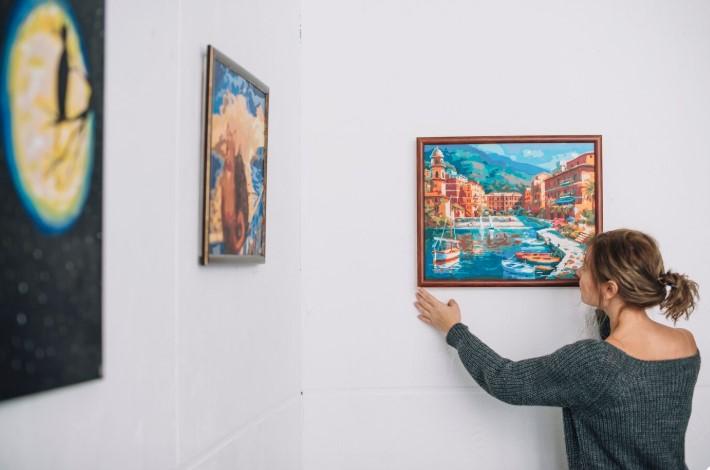
Art should be placed correctly, so it improves the space, not fills it up.
Art should hang at eye level (or approximately 57–60 inches above the floor).
Well placed center pieces above furniture like sofas or beds.
Unless you are using a different kind of arrangement, try to keep it neat for gallery walls, about 2–3 inches between frames.
Bonus Tip: Refresh and Rotate Regularly
Refresh your artwork by leaving it dynamic seasonally, or periodically. That, too, keeps your decor from getting stale, and allows you to introduce different styles or moods over time.
Final Thoughts
Hover over text and images to see our collection or pause and see the fullscreen experience. Transforming your walls with canvas art doesn’t have to rely on an expert’s eye, it just takes some thought and creativity. Considering themes, size, colours, textures, even placement, you’ll take your walls from bleh to beaut and make them representative of you, your personality, and your style. Now, with these tips, you’re ready to give your home that wall art edge, that leaves an impression.